One Deed, 47 Websites: We Followed a Single House Sale Through the Data Broker Food Chain
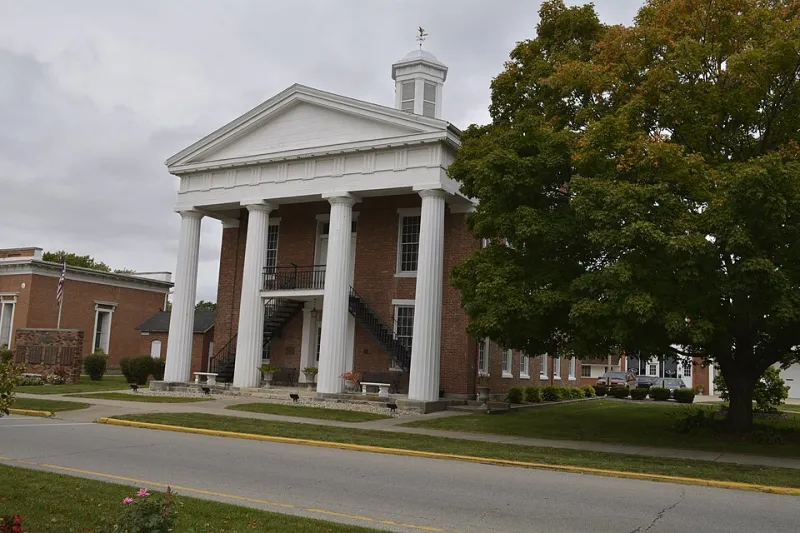
Photo: Robert Haugland, CC BY-SA 4.0, via Wikimedia Commons
A house changed hands in a Columbus suburb last spring. Nothing remarkable about it — three bedrooms, a two-car garage, a closing that took 34 days. But the paperwork from that sale went on a journey most homeowners never hear about, and we decided to follow it.
What we found was less like a leak and more like a conveyor belt. Within three weeks of the deed hitting the county recorder's index, the same transaction — names, sale price, mailing address and all — was sitting on 47 different people-search and data broker websites. Here's how it got there.
Stop One: The Recorder's Office
Every real estate transfer in most US counties gets recorded in a public index. That's not a loophole — it's the law, and it goes back centuries. Deeds have to be public so buyers can prove they own what they paid for, so title companies can run searches, so lenders can check for liens.
The Columbus-area county in question publishes its records online, free, one lookup at a time. That's the version most people imagine. It is not the version that matters.
Stop Two: The Bulk Seller
Buried in that same county's website is a second portal — a bulk data access agreement. Title insurers, credit bureaus, and licensed data vendors can pull the entire index in scheduled dumps: nightly feeds, weekly extracts, or full historical files on a hard drive if you ask nicely and pay the fee.
We asked the records custodian why bulk access exists at all. The answer was pragmatic: "If we didn't sell it to them, they'd get it anyway — through FOIA requests, through scraping, through third-party aggregators. Selling it at least means we know who has it and can audit the terms." The county made a few thousand dollars off data access last year. The brokers who bought it will make millions reselling it.
Stop Three: The Aggregator
The first stop after the county is usually a large aggregation firm — think the LexisNexis and CoreLogic tier of the industry. These companies don't run consumer-facing sites. They build the master files: one person, all their addresses, all their transactions, stitched together across counties and states.
This is where the magic (and the mess) happens. The aggregator matches our Columbus deed to the same person's prior ownership record in Indiana, a marriage license, and a voter registration entry. Now it's not just a property record. It's a profile.
Stop Four: The Wholesalers
From the aggregator, the data gets licensed downstream, sometimes two or three layers deep. Wholesalers package "property ownership feeds" and "new mover lists" and sell them to anyone with a business license and a credit card. A new-mover list — our homeowner's name and fresh address — might sell for a fraction of a cent per record. Volume is the whole business model.
This tier is also where the record starts showing up in places the homeowner has never heard of, because the wholesalers' customers include the next stop on the chain.
Stop Five: The People-Search Sites
By day 19 after recording, the transaction appeared on the first consumer lookup site. By day 22, there were eleven. By the end of the month, 47.
These sites don't do their own county work — most of them couldn't tell you which recorder's office the data came from. They license from the wholesalers, run name-matching against their existing profiles, and publish a page that looks like a background report. Some charge $1 for a "trial" that converts to $30 a month. The homeowner in our example never visited a single one of these sites. They all knew her anyway.
Why This Matters If You Just Sold a House
The practical takeaway is uncomfortable: a real estate transaction is one of the most efficient ways for your name, address, and finances to enter the broker ecosystem. It's a verified, government-sourced record — the highest-quality data these companies can get.
You can't stop the recording. But you can shorten the tail:
- Check your county's bulk data policy. Some states, like Texas, restrict how recorders can distribute certain data. A few counties let you redact personal information from online indexes.
- Use an LLC or trust where appropriate for high-visibility purchases, so your name isn't on the deed at all.
- Run opt-outs in waves. Our earlier experiment showed brokers don't sync deletions — remove yourself from one and the others keep the copy until you ask them too.
- Watch the new-mover angle. If you're getting a suspicious volume of junk mail after a move, that's the wholesaler tier doing its job.
The Bigger Picture
Records custodians we spoke with weren't hostile to the question — several admitted the bulk-sale economics bother them. But the legal framework treats public records as public, full stop, and nobody's written a modern privacy law that distinguishes "a title searcher pulling one deed" from "a broker ingesting 40 million of them."
Until that changes, every closing table in America doubles as a data pipeline. The deed says you own the house. The ecosystem just says you're a record.