We Watched a County Recorder's Database for Seven Straight Days. Here's When the New Stuff Actually Drops.

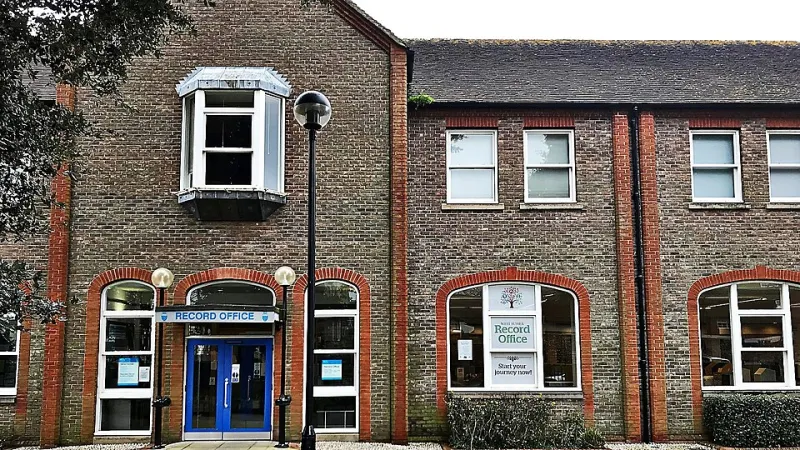
Photo: Robert Haugland, CC BY-SA 4.0, via Wikimedia Commons
Here's something nobody at the county recorder's office will volunteer: their website is not a live feed. It's a delivery truck.
Most people assume that the moment a document gets filed — a deed, a lis pendens, a mortgage satisfaction — it's searchable. It isn't. County systems across the US batch their uploads. Documents get indexed in chunks, usually overnight or early morning, which means the search results you pull at 7:45 AM and the ones you pull at 10 AM can be two different worlds.
We wanted to know exactly how different. So for one week, we ran the same search queries against a mid-sized county recorder's public index — roughly 400,000 parcels, a decent-sized metro — and logged what appeared, and when.
The Schedule Nobody Publishes
By day three, a pattern emerged, and it was almost boring in its consistency:
- 6:00–6:30 AM: The nightly batch job runs. Newly recorded documents from the previous business day hit the search index.
- 8:45–9:15 AM: A smaller "corrections and catch-up" push. This is where rejections, resubmissions, and e-recording stragglers land.
- 1:00 PM, give or take: A midday micro-batch — usually just a handful of documents, mostly walk-in filings from the morning counter rush.
- Nothing on weekends. Obviously. But also nothing Friday night through Sunday, meaning anything filed after Thursday afternoon sits invisible until Monday's 6 AM run.
That last one is the detail that matters. If you're checking records on a Saturday — which a lot of homebuyers do, because that's when they have free time — you're looking at a snapshot from Friday morning. A lien filed Friday at 2 PM? Not there. Not until Monday, before your coffee is done brewing.
Why This Matters More Than You'd Think
Homebuyers: Title companies run their own searches, so you're mostly covered at closing. But if you're doing your own due diligence during an option period — checking whether the seller just took out a second mortgage, or whether a mechanic's lien just popped up — timing your lookup matters. Searching Friday evening and Monday morning can return different answers about the same property.
Journalists and researchers: If you're tracking foreclosures or divorce filings as they drop, the 6 AM window is your window. Set the alert, pour the coffee, beat everyone else to the story.
Landlords and small businesses: Tenant screening, vendor checks, property lookups — same logic. A background pulled Friday afternoon is not the same background pulled Monday morning.
And yes, the flip side exists too. Anyone trying to obscure a fresh filing — a lender, an ex-spouse, a contractor — benefits from the same lag. A document filed Thursday afternoon is functionally invisible for the better part of four days. That's not a conspiracy; it's just how batch processing works when your county IT budget hasn't grown since 2011.
Not Every County Runs the Same Clock
Our week of observation covered one county, and the schedule we mapped is ours, not universal. Bigger counties — think Maricopa or Miami-Dade — often run near-real-time indexing for e-recorded documents, with batches only for paper filings. Smaller rural counties might upload once a day, or worse, once a day only on days the deputy clerk gets to it.
A few ways to figure out your own county's rhythm:
- Check the timestamps. Most recorder sites display a "recorded date" and sometimes an "indexed date" on each document. If those differ by a day, you've got batch processing.
- Run the same search twice. Morning and late morning. If results shift, note when.
- Call and ask. Some clerk's offices will just tell you. Ours, when we finally asked, said "the update runs early morning" in about four seconds.
The Bigger Picture
This is the quiet gap between what people think public records are — a live mirror of reality — and what they actually are: a database with a publishing schedule, a maintenance window, and a weekend. Search engines index the index. Data brokers scrape the scrapes. Every layer adds lag.
So the next time a lookup tells you a property is "clean," remember what question you're really asking: not is there a filing? but has it been published yet?
Those are different questions. Only one of them has a schedule you can learn — and once you know it, you're searching smarter than 95% of people pulling up the same website.